Hua Hin & Pranburi 2026 Property Investment Guide:
Wellness, Connectivity & Long-Term Value in
Thailand’s Gulf of Thailand
Published: 25 March 2026
 As high-net-worth individuals and lifestyle investors seek stable, quality-of-life-driven opportunities in Thailand, the Hua Hin–Pranburi corridor continues to attract attention. Once regarded mainly as a weekend retreat for Bangkok residents, the area has developed into a year-round destination with growing appeal for wellness, retirement, and long-term residential investment.
While parts of the broader Thai property market face challenges from household debt and selective buyer sentiment, Hua Hin and Pranburi have shown steady resilience, particularly in low-density villas and wellness-oriented properties. This comprehensive guide examines current market realities, infrastructure developments, wellness trends, legal considerations, realistic ROI data, and practical advice for foreign investors.
Executive Summary: A Balanced Perspective on Hua Hin–Pranburi in March 2026
Hua Hin and neighbouring Pranburi benefit from clean air, lower population density, proximity to Bangkok (roughly 2.5–3 hours by road or conventional rail), and an expanding reputation for wellness and quality healthcare. Thailand’s national wellness and medical tourism initiatives provide additional tailwinds for the region.
Key opportunities
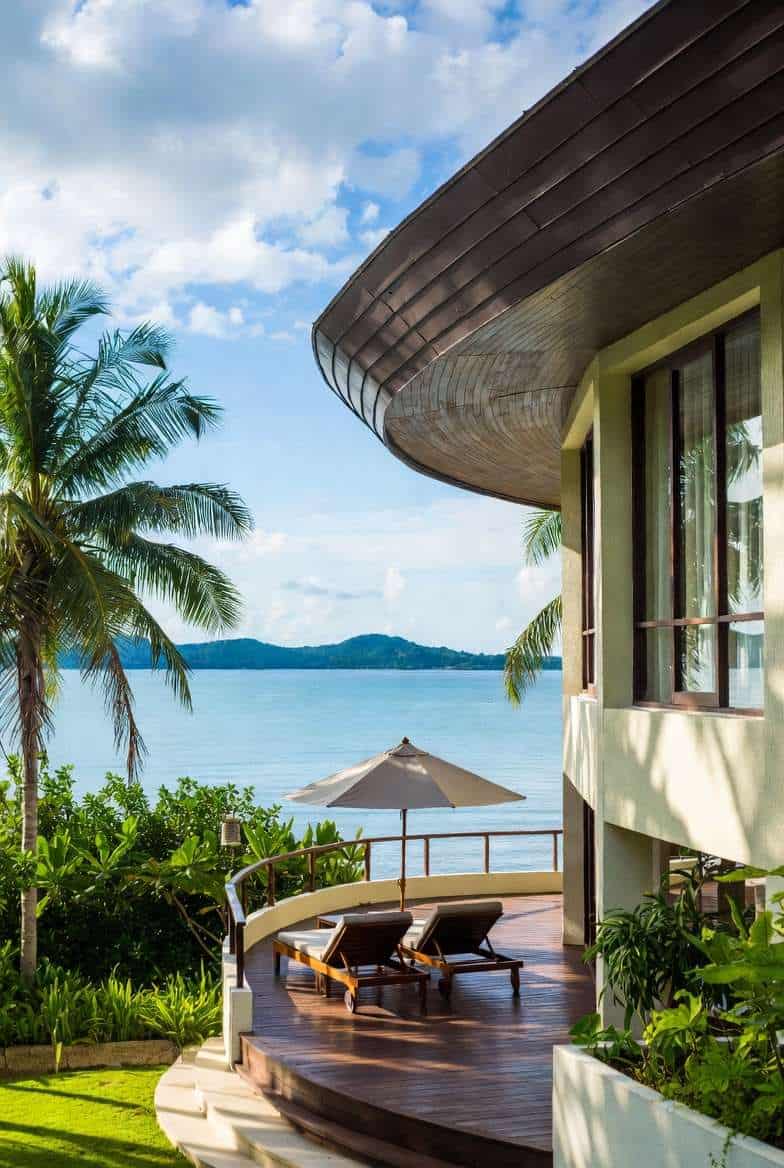
- Low-density pool villas and estates in southern and inland zones (such as Khao Kalok, Pak Nam Pran, and Hin Lek Fai foothills) that offer privacy and space for biophilic design.
- Properties featuring wellness elements, including proximity to quality hospitals and preventive health facilities.
- Long-term capital preservation and lifestyle benefits for buyers with a 5+ year horizon.
According to market outlooks from leading international firms such as CBRE Thailand and Savills, the luxury and wellness segments in secondary coastal areas continue to show selective strength, while broader residential markets remain cautious.
Important context: No high-speed rail line currently serves Hua Hin. The Southern High-Speed Rail project remains in the planning stage, with potential completion targeted for the early 2030s. Investors should focus on practical connectivity available today while considering future infrastructure potential.
1. Connectivity: Current Realities and Future Potential
As of March 2026, Thailand has no operational high-speed rail lines. The Thai-Chinese high-speed rail (Bangkok to Nakhon Ratchasima) is approximately 52% complete and faces delays, with service now expected around 2028–2030 or later. The dedicated Southern line to Hua Hin is still at the planning stage.
In the near term, upgrades to the existing dual-track railway and road infrastructure continue to improve journey times and reliability. Many buyers appreciate properties within convenient reach of current rail stations or major highways for access to Bangkok and Suvarnabhumi Airport.
Investor consideration: Southern expansion zones around Khao Kalok and Pak Nam Pran often provide better value for larger estates compared with more established central beachfront areas, which have become relatively saturated.
2. The Wellness & Longevity Appeal: Hua Hin’s Differentiating Factor
Hua Hin continues to benefit from Thailand’s “Wellness Thailand” initiatives. Private hospitals in the area, including  Bangkok Hospital Hua Hin, have expanded services with international-standard care, geriatric support, and health screening programmes. The region also hosts numerous wellness resorts and developments that incorporate biophilic design, clean air, and nature-focused living.
While Hua Hin has not received an official “Blue Zone” designation, its lifestyle attributes align well with longevity principles. Developers are increasingly adding features such as hospital-grade air filtration, circadian lighting, and access to organic or regenerative health options. These elements appeal to “health nomads” — affluent retirees and remote professionals seeking extended stays.
3. Legal & Fiscal Framework for Foreign Buyers in 2026
Foreign nationals cannot own land outright in Thailand but may consider the following established structures:
- Freehold condominiums (subject to the 49% foreign ownership quota per building).
- Leasehold arrangements for villas and land (standard 30-year term, often with contractual renewal options structured as 30+30+30 — note that renewals are not automatically guaranteed by law).
- Board of Investment (BOI) promoted projects, where limited land ownership may be possible for qualifying high-value developments.
Typical transaction costs at the Land Department include a 2% transfer fee (often negotiable), Specific Business Tax of 3.3% for sellers holding less than five years, or 0.5% stamp duty where applicable. The Department of Lands continues to enhance digital services for title checks, although full real-time blockchain verification is not yet standard. Chanote (Nor Sor 4 Jor) titles with GPS coordinates remain the preferred option.
Professional legal due diligence, including a licensed surveyor’s boundary verification, is strongly recommended to address any potential encroachment or encumbrance risks.
4. Comparative ROI: Realistic Figures for 2026
Market data and outlooks from reputable international consultancies, including CBRE Thailand’s 2026 Real Estate Market Outlook and Savills Thailand reports, indicate the following typical ranges for premium segments in Hua Hin and Pranburi (net yields after estimated management and vacancy costs):
| Asset Class | Average Net Yield (2026 est.) | Conservative 5-Year Capital Appreciation Forecast (cumulative) |
|---|---|---|
| Beachfront / Central Condominium (e.g., Khao Takiab) | 5.0% – 6.5% | 15% – 25% |
| Luxury Wellness / Pool Villa (southern Pranburi, Khao Kalok, inland areas) | 5.5% – 7.8% | 18% – 30% |
These ranges are broadly consistent with conservative estimates from firms such as CBRE, Savills, and Knight Frank. Wellness-oriented or low-density villas in quieter southern zones often demonstrate stronger rental stability from longer-stay tenants. Actual performance will depend on exact location, property management quality, occupancy rates, and prevailing economic conditions.
Note: All figures are indicative only and based on publicly available market reports as of early 2026. Past or projected performance is not a guarantee of future results.
5. Due Diligence Checklist for Chanote Titles and Risk Management
A thorough due diligence process remains essential:
- Verify clean Chanote title and absence of encumbrances through official Land Office records.
- Commission a licensed surveyor for precise RTK-GPS boundary confirmation.
- Review any existing leases, usufruct rights, or other legal interests.
- Assess location-specific risks such as flooding or future infrastructure plans.
- Ensure lease agreements include robust control and renewal clauses where applicable.
Nominee structures for land ownership continue to carry notable legal risks and are generally not recommended.
6. Key Risks and Considerations for Investors
Potential risks in the current environment include:
- Delays or changes in major infrastructure timelines (including high-speed rail projects).
- Thai Baht currency fluctuations against major currencies.
- Lower liquidity in secondary or inland locations compared with prime beachfront areas.
- Possible future regulatory or tax adjustments affecting foreign ownership.
- Seasonal patterns that may influence short-term rental demand.
A long-term investment horizon, professional property management, and diversification can help manage these factors effectively.
Conclusion: A Measured Opportunity for Discerning Investors
In March 2026, Hua Hin and Pranburi present a balanced proposition combining lifestyle quality, wellness appeal, and reasonable entry points relative to more volatile Thai destinations. Southern and inland sanctuary-style properties, supported by access to quality healthcare, are particularly well positioned for buyers focused on the longevity economy.
Investors who prioritise thorough due diligence, engage qualified local professionals, and adopt a patient, long-term approach are best placed to benefit from the corridor’s steady evolution.
General Disclaimer
This article is provided for informational and educational purposes only. All data, yields, forecasts, and infrastructure details are based on information available as of March 2026 from public sources, including reports by CBRE Thailand, Savills, government announcements, and industry publications. Real estate investment carries risks, including the potential for loss of capital. This content does not constitute financial, legal, or tax advice. Readers should conduct their own independent due diligence and consult qualified professionals before making any investment or purchase decisions. Market conditions and infrastructure timelines are subject to change.
Published by KANHOMES