The Morning Many Expats Realize
Bangkok’s Condo Life Isn’t the Dream Anymore
Somewhere between the 34th-floor gym, the co-working lounge, and yet another Grab delivery buzzing the intercom, a growing number of expats pause mid-scroll and ask themselves a very different question: what if the dream isn’t a glass tower at all?
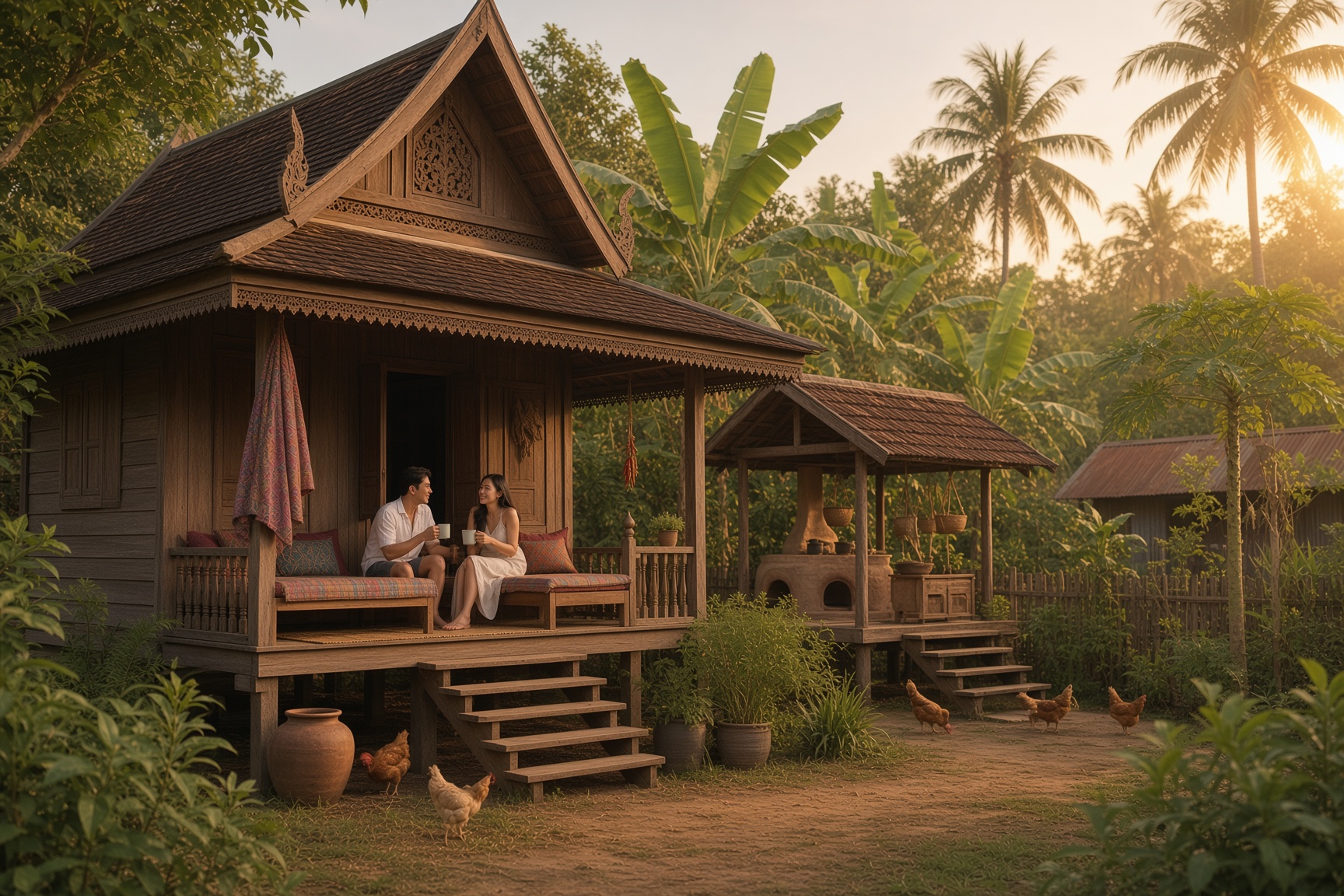
Across Thailand, something quietly beautiful is happening. Expats who once chased sky-high views and rooftop infinity pools are now trading them for wooden stilted houses, mango trees in the front yard, and mornings that start with a rooster instead of a notification chime.
This isn’t a fringe trend. It’s a full-blown lifestyle shift — and for anyone even a little curious about what real, rooted Thai living looks like in 2026, this guide is the new go-to resource.
🌾 Quick Insight: Village home listings across Isaan, Chiang Rai, and rural Chonburi have seen a noticeable uptick in expat inquiries — buyers chasing space, silence, and something that feels genuinely local.
Why the Shift? It’s Not Just About Saving Money
Sure, village homes are often cheaper per square meter than a Sukhumvit condo. But talk to anyone who’s made the move, and money is rarely the first thing they mention.
They talk about space. About actual sky instead of a neighboring building’s air conditioning units. About a neighbor who shows up with a bag of homegrown mangoes just because. It’s a different rhythm entirely — slower, warmer, more textured.
The Big Draws, Ranked by What Expats Actually Say
Simple chart idea: a horizontal bar graph titled “Why Expats Choose Village Life,” ranking these five factors by frequency mentioned in expat surveys — community and space typically top the list, with cost savings close behind.
What a Traditional Thai Village Home Actually Looks Like
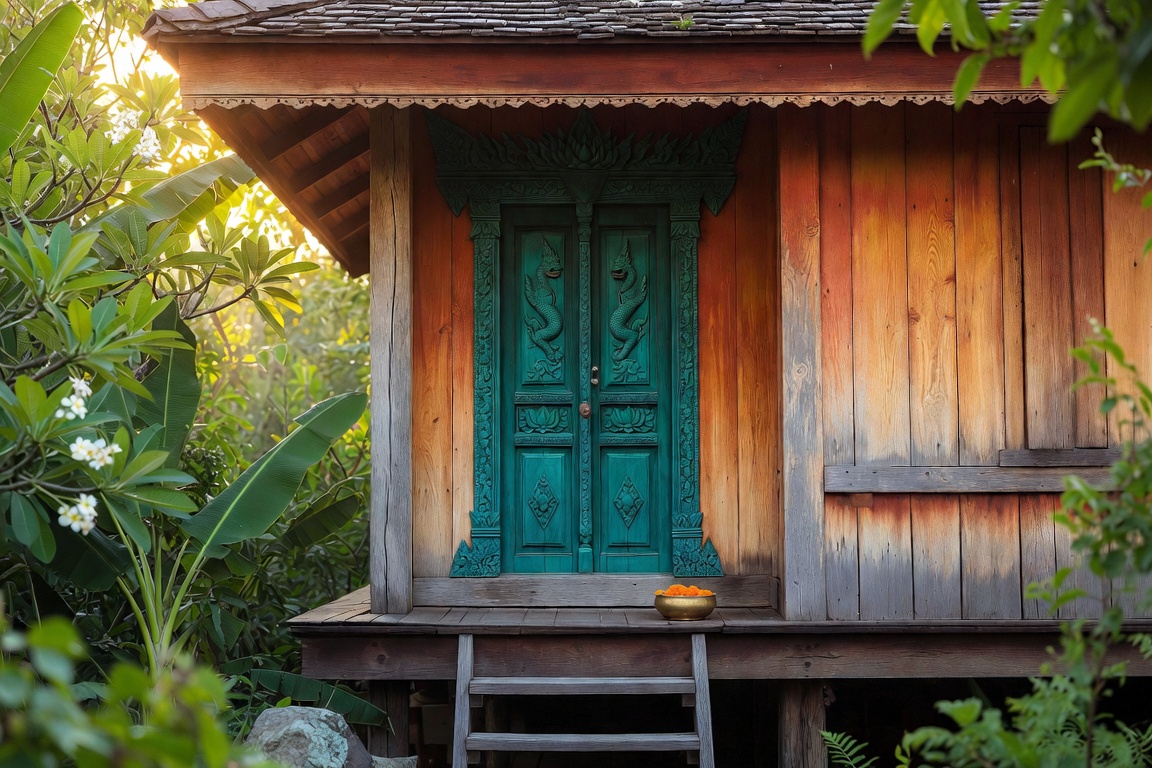
Forget the sterile white-box condo aesthetic. Traditional Thai homes are warm, wooden, and built with the climate — not against it. Think steep roofs that shed monsoon rain, elevated stilts that keep floors cool and dry, and wide shaded verandas made for sipping iced coffee at 4pm.
- Stilted structure — raises the living space above flood-prone ground and improves airflow.
- Steep, layered roofs — designed to handle heavy seasonal rain without pooling.
- Open-air layout — cross-ventilation replaces the need for constant air-con.
- Teak or hardwood construction — durable, beautiful, and naturally cooling underfoot.
- Shared communal space underneath — traditionally used for weaving, resting, or gathering with neighbors.
🌿 Local Tip: Many original village homes were built without nails, using interlocking wood joints — a construction technique still respected by traditional carpenters today.
Condo vs. Village Home: The Honest Comparison
Village life isn’t for everyone, and it’s worth being honest about that. Here’s the balanced breakdown.
The Legal Reality: What Foreign Buyers Need to Know
Here’s the part that trips up even seasoned expats. Unlike condos, foreigners generally cannot own land outright in Thailand. That doesn’t mean village life is off the table for foreign buyers — it just means the structure of ownership looks different.
- Foreigners can own the structure (the house itself) even when they can’t own the underlying land.
- Long-term leasehold agreements (commonly up to 30 years, sometimes renewable) are a popular workaround.
- Setting up a properly structured Thai company is another route some buyers use, though it requires careful legal guidance.
- Marrying a Thai national opens land ownership options in the spouse’s name, with specific legal safeguards recommended.
⚖️ Important: Buyers should always work with a licensed Thai property lawyer before signing any leasehold or company-structure agreement. Village land deals move fast, and verbal promises from a friendly seller mean nothing without proper documentation.
Practical Realities of Village Living Few People Mention
The Good Stuff
- Fresh produce practically appears at the doorstep from generous neighbors.
- Renovation and building costs are often significantly lower than in the city.
- Local festivals and temple fairs become part of everyday social life, not just tourist photos.
The Adjustment Curve
- Fewer Western grocery options — trips to bigger towns are often needed for specific imports.
- Language barriers are more common outside major hubs; basic Thai goes a long way.
- Emergency services and specialist medical care may be a longer drive away.
- Internet speeds are improving fast but can still vary by village.
Is Village Life the Right Fit? A Quick Gut-Check
The Real Takeaway: Thailand Has More Than One Kind of Dream Home
For years, the expat narrative in Thailand centered on high-rise views and city convenience. But 2026 is proving something wonderful — there’s an entirely different, equally rich version of the Thai dream waiting quietly in the villages.
It’s slower. It’s greener. It smells like jasmine and grilled bananas instead of car exhaust. And for a growing number of expats, it’s exactly the life they didn’t know they were craving.
For anyone wondering whether village life could be the next chapter in Thailand, the KAN Homes team knows both worlds intimately — from Bangkok’s sky-high condos to authentic countryside properties with real character. Reaching out means finding the version of Thailand that actually fits.
Disclaimer: This article is provided for general informational and educational purposes only and does not constitute legal, financial, or professional real estate advice. Property laws, ownership structures, and regulations in Thailand can change and may vary by region. Readers should consult a licensed Thai property lawyer, financial advisor, or relevant government authority before making any property-related decisions.