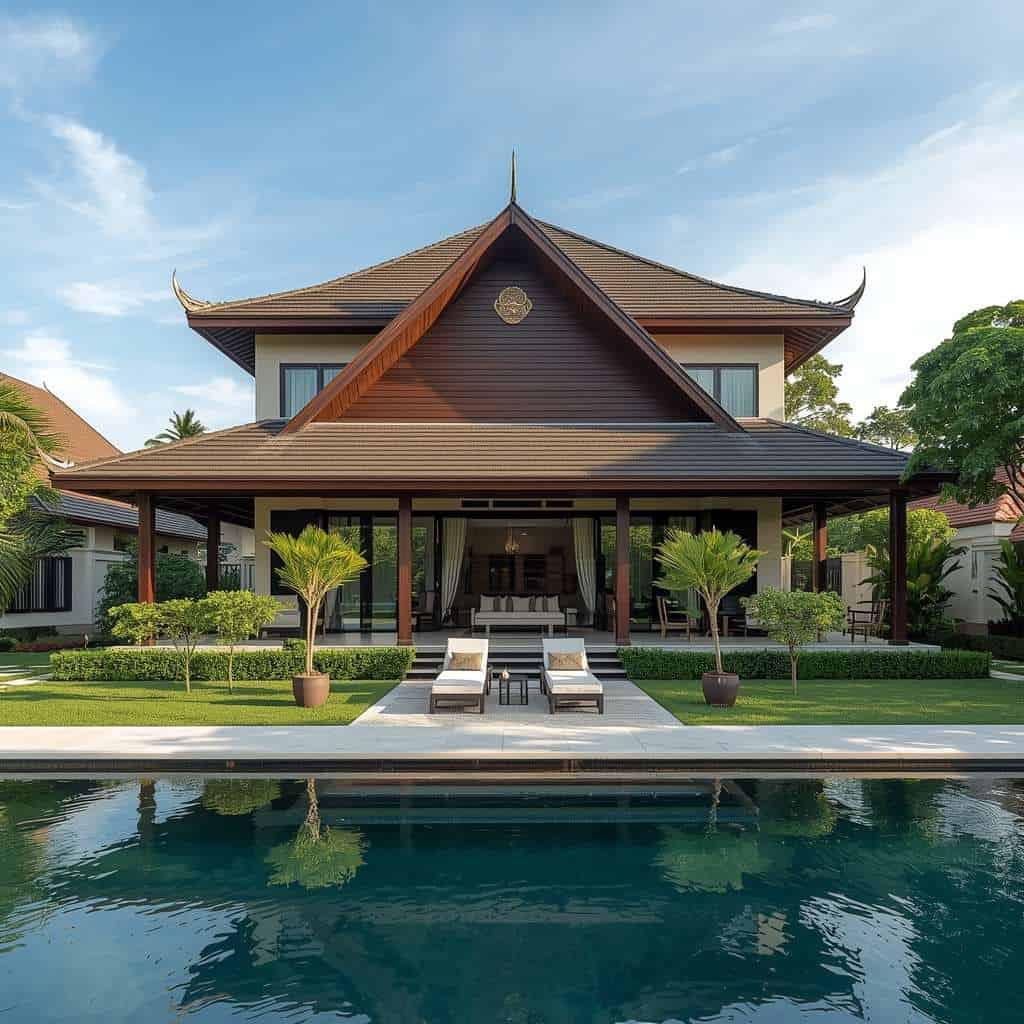
Buying Property in Kanchanaburi as a Foreigner: The 2026 Ultimate Guide
As we move through 2026, Kanchanaburi has emerged as one of Thailand’s most compelling alternatives to the saturated markets of Phuket and Bangkok. For many international investors and retirees, the draw is simple: sprawling mountain views, a lower cost of living, and a tranquil riverside lifestyle. But for many, the central question remains: Is buying property in Kanchanaburi as a foreigner actually possible?
The short answer is yes—but the legal landscape in Thailand is strict and requires a professional roadmap. In this 2026 update from , we break down the legalities, the costs, and the top investment zones for expats looking to secure their piece of the “River Kwai” province.
1. The 2026 Kanchanaburi Real Estate Outlook
Thailand’s property market in 2026 is characterized by stability and selective growth. Unlike the “boom and bust” cycles seen in other global markets, Kanchanaburi offers genuine end-user value. Property prices in the region have seen a moderate year-on-year increase of approximately 2.71%, making it an ideal entry point for those seeking long-term holding potential rather than speculative gains.
Key drivers for the Kanchanaburi market this year include:
- Infrastructure Development: The continued expansion of the motorway network from Bangkok has reduced travel time to just under 2 hours, making Kanchanaburi a viable “second home” destination for city-based professionals.
- The Wellness Trend: Post-pandemic travel has shifted toward wellness and medical care. Kanchanaburi’s clean air and growing number of private health facilities make it a top choice for retirees.
- Cost Efficiency: Land and building costs in Kanchanaburi remain significantly lower than in coastal provinces, allowing for larger, more luxurious villas at a fraction of the price.
2. Legal Ownership Structures for Foreigners
Thai law is very clear: Foreigners cannot directly own land in Thailand in their personal name. However, there are three primary, legal pathways used by thousands of expats to secure property in Kanchanaburi.
Pathway A: The 30-Year Registered Lease (Most Secure for Villas)
The most common way to “own” a house or villa in Kanchanaburi is through a long-term lease. You own the building outright as a movable asset, but you lease the land it sits on.
Key Fact: A 30-year lease must be registered at the local Land Office to be legally enforceable. Most contracts include options to renew for a further 30+30 years.
Pathway B: Freehold Condominiums
Under the Condominium Act, foreigners can own 100% of a condo unit in their own name, provided that the total foreign ownership in the building does not exceed 49%. This is the simplest “hands-off” investment for those looking for a modern riverside apartment.
Pathway C: Thai Limited Company
Some investors choose to set up a Thai company to purchase land. This requires the company to be majority Thai-owned (at least 51%). While common, this structure requires strict legal compliance and professional accounting to ensure it meets 2026 regulatory standards.
3. Step-by-Step Buying Process in 2026
Navigating the purchase process at Kanhomes.com follows a standardized sequence to ensure your investment is protected.
- Due Diligence (The “Chanote” Check): Your lawyer must verify the title deed (Chanote) at the Land Office. This ensures there are no hidden debts, liens, or zoning disputes tied to the land.
- The Reservation Agreement: Once you find a property, you pay a reservation fee (usually 50,000 to 100,000 THB) to take it off the market while the final contracts are drafted.
- Foreign Exchange Transaction (FET) Form: For condos, you must transfer funds from overseas in a foreign currency. Your Thai bank will then issue an FET form, which is a mandatory document for registering ownership in a foreigner’s name.
- The Sales and Purchase Agreement (SPA): This is the main contract. It should clearly outline payment stages, furniture inclusions, and who pays the transfer fees.
4. Kanchanaburi’s Top Investment Zones
Not all areas of Kanchanaburi are created equal. Depending on your goals, we recommend focusing on these three zones:
| Zone | Vibe | Best For |
|---|---|---|
| River Kwai (City Center) | Bustling, near cafes/hospitals | Retirees & Rental Income |
| Erawan / Sai Yok | Lush, near waterfalls & parks | Holiday Homes / Eco-Tourism |
| Tha Muang | Quiet, local, affordable land | Custom Villa Builds |
5. Costs and Taxes for Buyers in 2026
Budgeting for a home in Thailand involves more than just the purchase price. As of 2026, the government has extended several fee incentives to stimulate the market.
- Transfer Fee: 2% of the appraised value (often split 50/50 between buyer and seller).
- Lease Registration Fee: 1.1% (if registering a long-term lease).
- Stamp Duty: 0.5% (applies if Specific Business Tax is not paid).
- Legal Fees: Expect to pay between 30,000 and 80,000 THB for a full due diligence and closing package.
6. Frequently Asked Questions (FAQs)
Can I get a mortgage as a foreigner?
Generally, no. Most foreigners purchase “cash” or via international mortgages from their home country. Some developers offer short-term (2-5 year) installment plans.
Do I get residency if I buy a house?
Owning property does not grant automatic residency. However, it can support your application for an LTR (Long-Term Resident) Visa or a Retirement Visa.
Conclusion: Why Kanchanaburi is the Future
Buying property in Kanchanaburi as a foreigner in 2026 is about more than just square footage—it is about securing a lifestyle that prioritizes peace, nature, and community. With the right legal team and a trusted partner like Kanhomes.com, your dream of a Thai riverside home can become a secure, long-term reality.