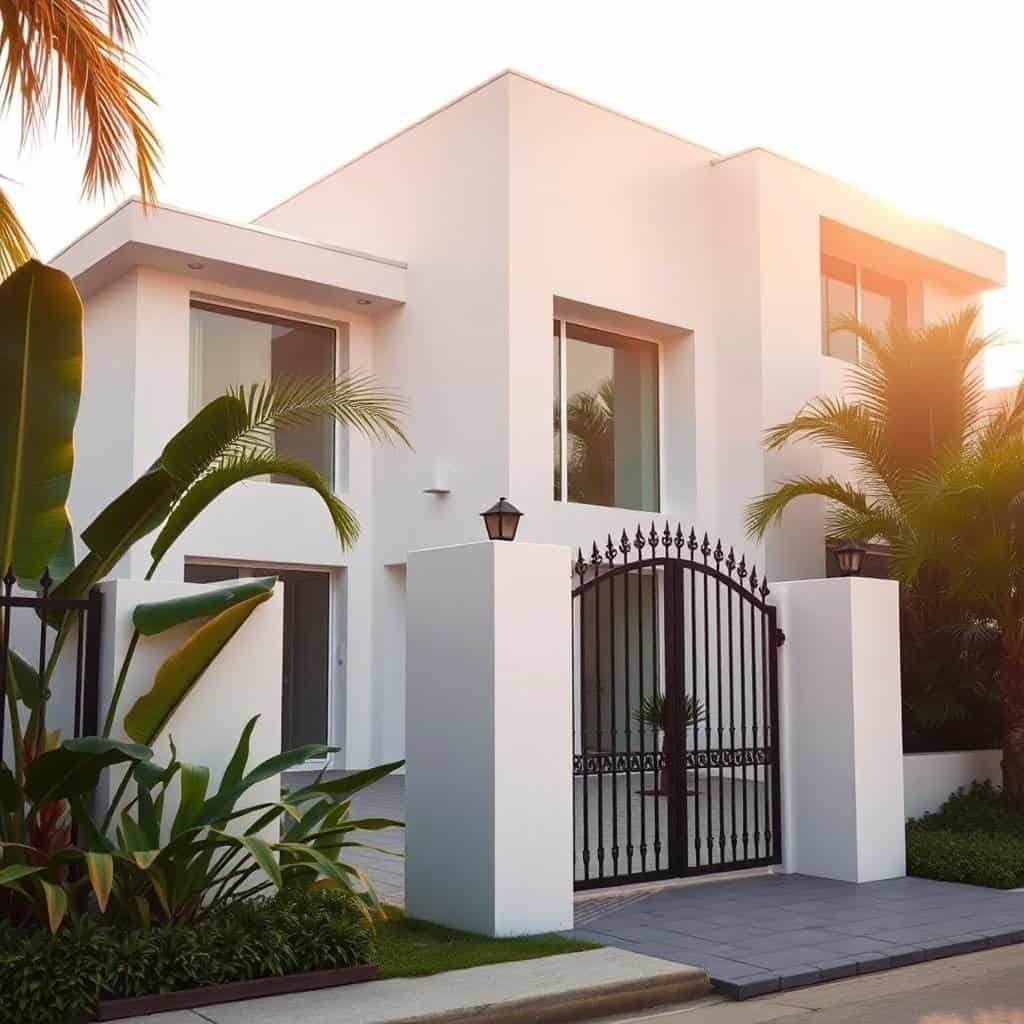
Thailand Property Market Analysis 2026: A New Era of Strategic Asset Selection
As we move into 2026, the Thailand property market has evolved beyond a broad recovery into a phase of significant structural divergence. For investors at Kanhomes.com, the “rising tide lifts all boats” era is officially over. Today’s market is characterized by a two-speed economy: a domestic mass market facing headwinds from high household debt, and an international-facing luxury sector showing record-breaking resilience.
This analysis provides a data-driven roadmap for navigating these segmented realities. We examine the shift toward “Generation Rent,” the explosion of branded residences, and why regional gems like Kanchanaburi are becoming the new frontier for savvy capital.
1. The Macro-Economic Landscape: Stability Amidst Divergence
Thailand’s overall real estate market size is projected to reach USD 60.78 billion in 2026, growing at a steady CAGR of 5.65% through 2031. However, the national residential price index showed a modest increase of only 0.63% year-on-year at the end of 2025, signaling that value is no longer found in broad appreciation, but in specific asset classes.
The Shift in Monetary Policy
Following rate hikes in previous years, the Bank of Thailand (BOT) began a cycle of monetary easing in late 2024, with the latest cut in December 2025. This has led to a gradual decline in Minimum Retail Rates (MRR), currently averaging 7.47% in early 2026. For investors, this creates a more accommodative environment for financing, though domestic credit remains tight for properties priced below 3 million THB due to a 40% mortgage rejection rate in the mass-market segment.
2. Sector Analysis: Where the 2026 Value Lies
A. The Luxury & Branded Residence Boom
While the mid-range market has slowed, the ultra-luxury segment is “pushing the envelope.” Thailand now ranks #4 globally by the number of branded residence developments. Projects like the Porsche Design Tower in Bangkok (with units priced up to 1.4 billion THB) and new InterContinental Residences in Phuket demonstrate that high-net-worth demand remains decoupled from local economic constraints.
B. The Rise of “Generation Rent”
A structural shift is occurring among younger Thais (Gen Z and Gen Y). Over 66% of these consumers now prioritize flexibility, opting to rent rather than buy. This has created a compelling “Buy-to-Rent” proposition for investors, particularly for condos within walking distance of mass transit lines where rental demand remains consistently high.
C. Industrial & Logistics: The EEC Catalyst
Developers are increasingly pivoting toward logistics assets within the Eastern Economic Corridor (EEC). Fueled by mega-investments in data centers (including TikTok’s THB 126.8 billion commitment), industrial land prices in zones like Bang Lamung have surged, signaling a future “halo effect” for nearby residential demand.
3. Regional Spotlights: Beyond Bangkok
| Region | 2026 Growth Projection | Key Investment Driver |
|---|---|---|
| Bangkok (CBD) | 5 – 7% Annual Rise | Flight to Quality / Prime Condo Scarcity |
| Phuket | 8 – 10% Annual Rise | Lifestyle Investment & Limited Beachfront Land |
| Kanchanaburi | 2 – 4% Steady Rise | Infrastructure (Motorway M6) & Wellness Tourism |
| Pattaya | 5 – 8% Rental Yields | EEC Industrial Expansion & High-Speed Rail |
4. The Kanchanaburi Advantage: The 2026 Growth Node
For Kanhomes.com clients, Kanchanaburi offers a unique value proposition. As a “fringe” location now connected by a 2-hour motorway link to Bangkok, it is absorbing demand from buyers priced out of the city center. We are seeing a flight to quality in riverside villas, where foreign buyers increasingly seek primary residences rather than just holiday homes.
- Infrastructure Delivery: The completion of key double-track rail projects and port upgrades is driving industrial interest, which historically precedes residential appreciation.
- Wellness & Retirement: There is a growing demand for “senior-enhanced” housing. Projects that integrate medical services and green living—like those found in Kanchanaburi’s lush valleys—are seeing higher occupancy rates.
5. Yield Analysis: Real Returns in 2026
Gross yields can be misleading. In the 2026 market, professional investors are focusing on Net Yields after management fees, taxes, and sinking funds.
- Prime Bangkok Condos: Average gross yields of 6.04%.
- Phuket Branded Residences: Projected net yields of ~5.2% over a 5-year period.
- Kanchanaburi Riverside Rentals: High-end villas can fetch 5-7% gross, but benefit from significantly lower entry costs compared to resort islands.
6. 2026 Investor Checklist: Mitigating Risk
- Asset Selection: Focus on “one-of-a-kind” assets (rare riverside plots, branded condos) rather than generic suburban inventory.
- ESG Compliance: Buildings with LEED or WELL certifications are seeing 15-20% higher operational efficiency and better tenant retention.
- Legal Due Diligence: With fee incentives (0.01% transfer fees) set to expire on June 30, 2026, timing your transaction is critical to maximizing ROI.
Conclusion: A Market for the Discerning
The 2026 Thailand property market rewards insight over speculation. While the mass market remains soft, the opportunities in luxury residences, rental-focused urban assets, and emerging regional hubs like Kanchanaburi are robust. By aligning your strategy with infrastructure milestones and the “flight to quality” trend, your investment via Kanhomes.com can achieve sustainable, long-term growth.