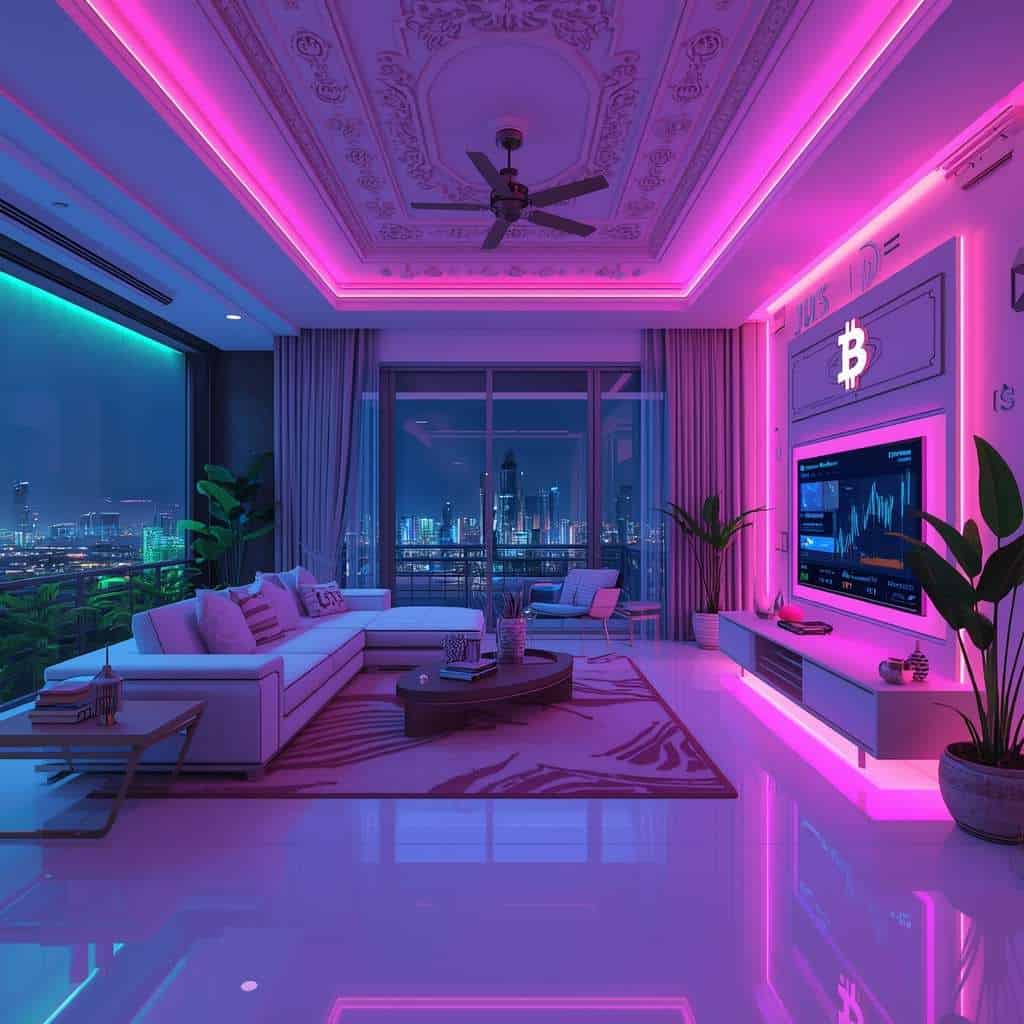

As we enter March 2026, the traditional barriers to entry in the Thai property market are dissolving. Historically, Thailand real estate investment 2026 was a game of high-capital “all-in” bets. However, an observational shift is occurring this quarter. We could witness the mainstream adoption of Fractional Asset Tokenisation—a move that could democratise the way foreigners and locals alike hold Thai property.
At Kan Homes, we believe that education is the ultimate hedge against market volatility. Therefore, this month’s insight focuses on how blockchain technology is turning the “bricks and mortar” of Bangkok into liquid, digital assets.
1. What is Real Estate Tokenisation in 2026?
In simple terms, tokenisation is the process of converting the value of a physical property—such as a luxury villa in Phuket or a prime Sukhumvit condo—into digital tokens on a blockchain. Consequently, instead of requiring 20 million Baht to own a unit, an investor can purchase “fractions” of that asset.
This “Granular Investment” model is particularly relevant in March 2026. As interest rates fluctuate, the ability to diversify a portfolio across ten different high-yield units, rather than being tied to one, is a superior risk-management strategy. For the first time, Thailand real estate investment 2026 is becoming as liquid as a stock portfolio.
2. Why March is the ‘Audit Month’ for Investors
Observational data shows that March is the month when international investors rebalance their Southeast Asian holdings. With the 2026 “Smart City” initiatives in Lat Krabang and the EEC gaining momentum, we are seeing a flight from stagnant secondary markets toward these “Tokenised Tech-Hubs.”
Furthermore, these digital deeds (NFT-backed title interests) allow for instantaneous rental yield distribution. There is no longer a need to wait for manual bank transfers; smart contracts automate the profit-sharing, providing a level of transparency previously unseen in the Thai market.
3. The Legal Landscape: Is it Secure?
Security is the foundation of any Thailand real estate investment 2026. The Thai Securities and Exchange Commission (SEC) has refined the Emergency Decree on Digital Assets to specifically protect property-backed tokens. This means your digital fraction is legally tethered to the physical Chanote (Title Deed) held in escrow.
Consequently, we are seeing a surge in “Community-Owned” luxury assets. A group of investors can now collectively own a boutique resort or a co-living space, sharing both the operational costs and the capital appreciation.
4. Predictive Analysis: The End of the ‘Landed’ Monopoly
We predict that by the end of 2026, over 15% of new luxury developments in Bangkok will offer a fractional entry point. This shift is being driven by “Generation Alpha” and tech-wealth expats who prioritise portfolio agility over traditional sole ownership. For the savvy investor, March is the time to identify which “Nodes” (properties) offer the best underlying utility.
Master the 2026 Digital Shift
Navigating the world of tokenised real estate requires a blend of traditional property expertise and digital literacy.